


A good follow-up email can still fail before anyone reads it.
The reason is simple: the subject line did not give the recipient a reason to open the message.
In 2026, inboxes are crowded and people decide quickly which emails deserve their attention. The best follow-up subject lines are usually short, clear, and connected to an existing conversation.
What Makes a Good Follow-Up Email Subject Line?
A strong subject line should help the recipient immediately understand why the email matters.
Keep it:
- Short and easy to scan
- Relevant to the original conversation
- Natural rather than overly promotional
- Specific when possible
- Clear about what the email is about
You do not need a clever subject line. You need one that feels familiar and useful.
Follow-Up Email Subject Line Examples
Simple Follow-Ups
- Quick follow-up
- Following up on this
- Checking back in
- Circling back
- Any thoughts on this?
After a Meeting
- Great speaking with you
- Next steps from our conversation
- Following up from our call
- A quick note after our meeting
- About our conversation
Sales Follow-Ups
- Still worth exploring?
- A quick question about [topic]
- Should we revisit this?
- Next steps for [company]
- Thought this might be useful
After Sending a Proposal
- Following up on the proposal
- Any questions about the proposal?
- Next steps for [project]
- Checking in on [project name]
- Ready to move forward?
Final Follow-Ups
- Should I close the loop?
- Still interested?
- Is this still a priority?
- Should we reconnect later?
- One last follow-up
Keep the Original Subject Line When It Makes Sense
Not every follow-up needs a completely new subject line.
Replying within the original email thread can make the conversation easier to recognize and gives the recipient the context they need without searching through their inbox.
A new subject line can be useful when the conversation has changed direction or when you want to highlight a new piece of information.
Avoid Subject Lines That Feel Pushy
Follow-up subject lines should create interest without creating unnecessary pressure.
Avoid phrases that feel aggressive, misleading, or overly urgent when there is no real urgency.
The goal is not to trick someone into opening your email. It is to make the reason for opening clear.
A simple subject line paired with a useful follow-up will usually feel more natural than something designed only to grab attention.
The Subject Line Is Only the First Step
Getting the email opened matters, but the follow-up itself still needs to be worth answering.
Keep the message short, remind the recipient why you are reaching out, and make the next step easy.
And once you find subject lines and follow-up messages that work, consistency becomes just as important as the wording.
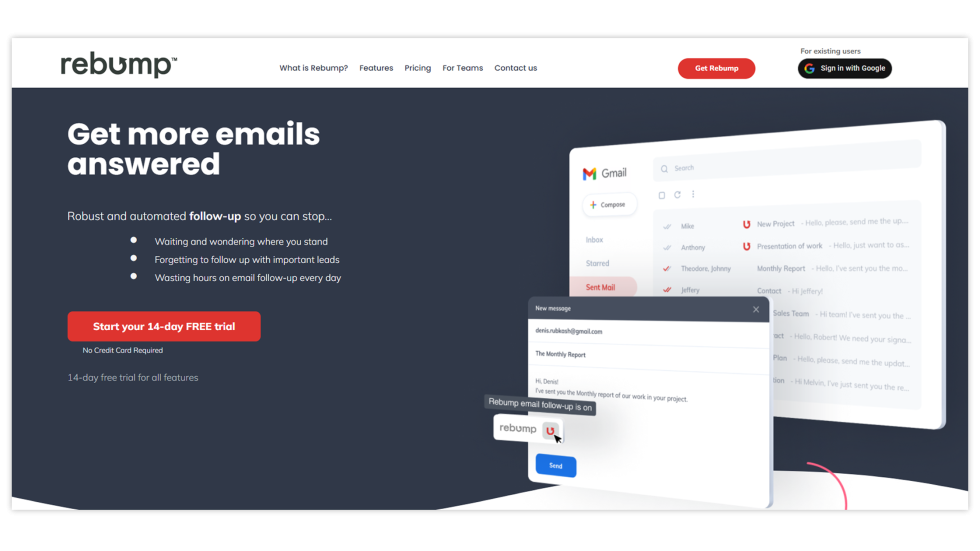
Rebump helps you automate follow-up sequences directly from Gmail, so you can stay in touch without manually tracking every unanswered thread. Set your sequence, choose your timing, and let Rebump keep important conversations moving.
Start your free trial: www.rebump.cc